Six Months Without Takeout: My Food Budget Really Revealed What I Was Spending
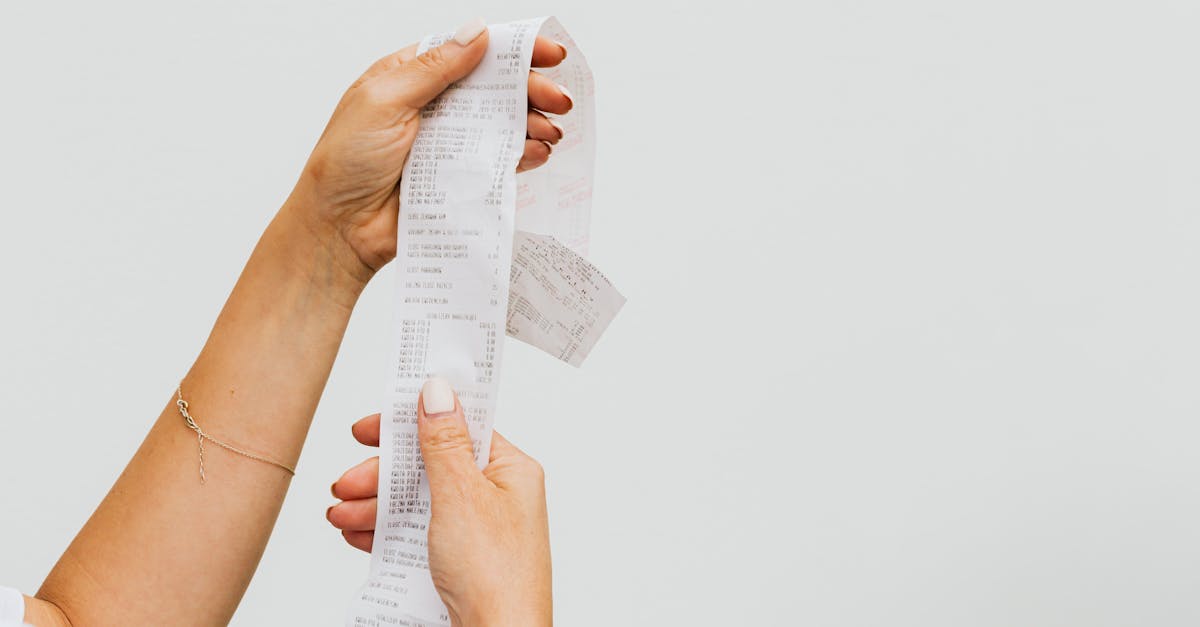
The subtle drip of a leaky faucet goes unnoticed until the water bill arrives, swollen beyond belief. For years, my relationship with takeout was precisely that — a slow, steady drain I mostly ignored. Like many of you, I justified it: ‘I’m busy,’ ‘It’s just a small treat,’ or ‘I earned it.’ The average American spends about $237 a month on restaurant food and takeout. For me, it felt like more, but I never truly confronted the numbers.
Then, six months ago, I hit a financial wall. I was trying to save aggressively for a down payment on a small apartment, and despite tracking my major expenses, the needle on my savings account barely budged. I scrutinizing everything, and one line item consistently blurred into ‘miscellaneous’ or ‘entertainment’: food. Specifically, the food I wasn’t cooking at home. I decided to embark on a radical experiment: six months of absolutely no takeout, no restaurant meals, no coffee shop runs. Everything I ate would be prepared in my kitchen. The goal wasn’t just to save money, but to understand the true impact of this habit, and what I learned fundamentally shifted my entire approach to personal finance and daily living.
Key Takeaways
- Eliminating takeout revealed the true financial leakage, not just the perceived costs.
- The biggest takeout expense wasn’t dinners but overlooked breakfasts and quick lunches.
- Strategic meal planning and ingredient prep were crucial for long-term adherence.
- Breaking the ‘convenience’ mindset required a deeper connection to food and cooking.
The Illusion of ‘Small’ Purchases Adds Up Dramatically
Before this challenge, I genuinely believed my takeout spending was minimal. I rarely ordered a full dinner, maybe just a couple of times a month. What I didn’t account for were the small, insidious purchases. The $5 bagel and coffee on the way to work, the $12 sandwich for a quick lunch when I ‘forgot’ to pack one, the $8 smoothie when I felt a craving. These weren’t grand gestures; they were micro-transactions, each seemingly insignificant on its own. Over a week, these added up to $30-$50. Multiplied by four weeks, I was easily dropping $120-$200 just on small, convenient food items before I even considered a proper takeout dinner.
In my experience, the mistake I see most often is people focusing solely on the large, obvious expenditures. They cut back on big dinners but continue to hemorrhage money through these smaller, more frequent buys. What changed everything for me was installing a simple whiteboard in my kitchen. Every time I bought takeout before, I’d mentally log it. For this challenge, every time I would have bought something, I wrote down what it was and its estimated cost on the board. Seeing ‘Bagel & Coffee: $5.50,’ ‘Lunch Salad: $14,’ ‘Smoothie: $8’ accumulate day after day, even in hypothetical form, was a powerful visualization. By the end of the first month, the estimated total of what I didn’t spend was a staggering $380. This wasn’t theoretical anymore; it was money that stayed in my account.
The Mental Shift from Convenience to Creation
The initial days were a struggle. My brain was hardwired for convenience. Tired after work? ‘Just order something.’ No groceries? ‘There’s always a Seamless option.’ Breaking this ingrained habit wasn’t just about financial discipline; it was a profound mental recalibration. I realized that my desire for takeout wasn’t always about taste or hunger; often, it was about avoiding the mental load of deciding what to cook, the physical effort of prepping, and the time commitment.
What truly helped was reframing. Instead of viewing cooking as a chore, I started seeing it as a creative act and a form of self-care. I bought a few cookbooks that focused on simple, flavorful meals, and I subscribed to newsletters offering quick weeknight recipes. I also invested in a few kitchen gadgets that genuinely saved time – a good food processor became my best friend for chopping vegetables, and a high-speed blender made those once-purchased smoothies a 2-minute affair. The tradeoff wasn’t as drastic as I imagined. A typical takeout dinner takes 30-45 minutes from order to arrival. Many of my home-cooked meals, once I got into a rhythm, took 20-30 minutes of active prep and cook time, sometimes less. The quality was often better, and I had complete control over ingredients.
Strategic Meal Planning Became My Anchor
I used to scoff at meal planning, imagining elaborate Sunday cooking marathons. My ‘no takeout’ rule forced me to adopt a more pragmatic approach. I found that the biggest barrier to cooking was the ‘what’s for dinner’ dilemma at 5 PM when energy was low. My solution was not a rigid meal plan, but a flexible framework built around core ingredients.
Each Sunday, I’d spend about an hour planning roughly 3-4 dinners and 2-3 lunch ideas based on what was on sale at the grocery store and what I already had. I focused on versatile ingredients. A big batch of roasted sweet potatoes could be a side dish one night, added to a lunch salad the next, or form the base of a quick hash for breakfast. Chicken breasts were cooked in bulk and then destined for tacos, pasta, or wraps. This approach, which I now call ‘component cooking,’ meant I wasn’t cooking a full new meal every single night, but rather assembling from prepped components. It cut down decision fatigue and made weeknight cooking feel significantly less daunting. I spent approximately 1.5 hours on Sunday preparing things like chopped vegetables, cooked grains, and protein, which paid dividends all week.
Reclaiming My Mornings and Lunches
As mentioned, those ‘small’ takeout purchases were my biggest financial leaks. Addressing them required specific strategies. For mornings, I started making overnight oats or prepping ingredients for a quick scramble. My coffee habit shifted from a $4 daily purchase to a 50-cent home brew. I invested in a decent travel mug, which seemed like a small thing but mentally reinforced the ‘home-prepared’ mindset.
Lunches were another critical area. Instead of buying a salad or sandwich, I started making larger dinners and intentionally packing leftovers. When that wasn’t an option, I’d make simple, assembly-required lunches: a can of tuna or chickpeas with pre-chopped veggies and a homemade vinaigrette. My lunch spending went from $60-$80 a week to virtually zero. This wasn’t just about money; it was about energy. Preparing my food often meant healthier choices, which translated into fewer afternoon energy slumps and better focus at work. The mental clarity I gained from feeling in control of my food intake was an unexpected bonus.
The Unforeseen Benefits Beyond Savings
The most obvious benefit of my six-month experiment was financial. I saved an average of $300-$450 per month, directly funneling that money into my apartment down payment fund. This was a tangible, significant boost to my financial goals. But the benefits extended far beyond my bank account.
Improved Health: With complete control over my ingredients, I naturally ate less processed food, less sugar, and more vegetables. I also cooked with less sodium and healthier fats. My energy levels were more stable, my digestion improved, and I even noticed better skin clarity. I lost about 7 pounds without actively trying, simply by eliminating the hidden sugars and unhealthy fats common in takeout.
Enhanced Cooking Skills: Necessity truly is the mother of invention. I learned to cook a wider variety of dishes, troubleshoot common kitchen problems, and improvise with available ingredients. My confidence in the kitchen soared, transforming what was once a source of stress into a genuinely enjoyable activity.
Greater Presence and Mindfulness: The act of preparing a meal, even a simple one, forced me to slow down and be present. It was a sensory experience – the smell of sautéing garlic, the vibrant colors of fresh vegetables, the sizzle in the pan. This mindfulness bled into other areas of my life, making me more appreciative and less prone to mindless consumption, both of food and other things.
Reduced Waste: Takeout generates an astonishing amount of single-use plastic and packaging. By cooking at home, I drastically reduced my household waste, a personal value I hadn’t realized I was compromising so much.
After six months, the experiment officially ended. While I occasionally enjoy a restaurant meal or a coffee shop treat now, it’s a conscious decision, not a default. My takeout spending is probably 10-15% of what it used to be. The habits I built, and the awareness I gained, have permanently changed my relationship with food and my finances. It wasn’t just a challenge; it was an education.
Frequently Asked Questions
How much money did you save on average per month?
I saved an average of $300 to $450 per month by completely cutting out all forms of takeout and restaurant meals, including small purchases like coffee and lunch.
What was the hardest part of the challenge?
The hardest part was breaking the ingrained habit of seeking convenience when tired or uninspired. Overcoming the mental load of deciding what to cook every day was a significant hurdle.
What specific strategies helped you stick to cooking at home?
Strategic meal planning focused on versatile, batch-cooked ingredients, investing in time-saving kitchen gadgets (like a food processor), and reframing cooking as a creative act rather than a chore were all crucial.
Did you ever cheat during the six months?
No, I did not. The strict ‘no takeout’ rule was essential for the experiment’s integrity and for truly understanding the impact of the habit. The hypothetical spending tracker on my whiteboard helped reinforce my commitment.
What advice would you give someone looking to reduce their takeout spending?
Start small by identifying your biggest ‘leak’ – whether it’s daily coffee, lunches, or weekend dinners. Focus on prepping versatile ingredients once or twice a week, and invest in a few kitchen tools that make cooking more enjoyable and efficient. Most importantly, change your mindset from convenience to conscious creation. Your financial and physical health will thank you.
Written by Maya Rodriguez
Everyday habits, life balance, and practical self-improvement
A freelance journalist passionate about translating complex topics into engaging, accessible advice.
You Might Also Like

Five Financial Disclosures That Build Enduring Trust in Relationships
Discover five critical financial disclosures that deepen trust in relationships, moving beyond surface-level honesty to genuine security and understanding.

Five Financial Red Flags That Erode Trust in Relationships
Discover five crucial financial red flags that silently erode trust in relationships and learn how to address them for lasting harmony. Practical insights from Eleanor Vance.
Roth IRA Versus Taxable Brokerage Account for Early Retirement
Deciding between a Roth IRA and a taxable brokerage for early retirement? This guide compares their tax benefits, accessibility, and withdrawal rules.