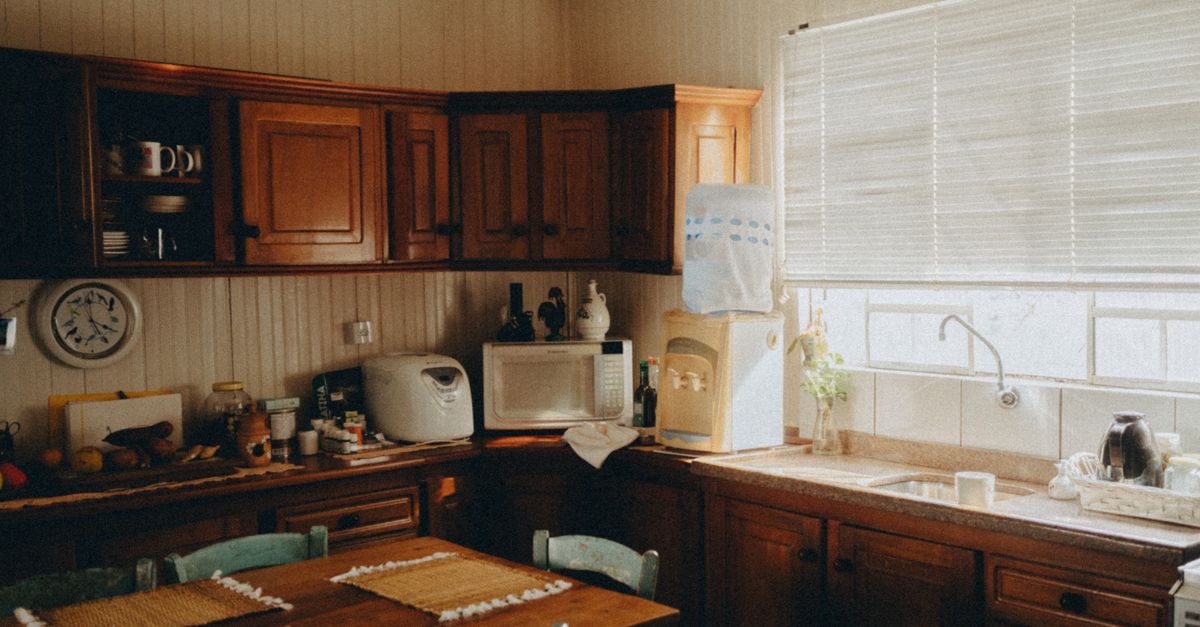
Six Months Without a Microwave: My Kitchen Shift
When my microwave finally gave up the ghost six months ago, after years of faithful but unremarkable service, I decided on a whim not to replace it. It wasn’t a conscious decision for a “digital detox” or some grand minimalist statement; I simply didn’t want to deal with researching a new one and then the hassle of disposal and installation. “I’ll just see how it goes,” I told myself. What started as pure inertia quickly morphed into a fascinating experiment in kitchen efficiency and, surprisingly, a significant upgrade in how I experience my food. I’d always thought the microwave was indispensable, the ultimate convenience. I used it for everything: reheating leftovers, softening butter, quick breakfasts, defrosting chicken. Giving it up meant rethinking fundamental kitchen routines, and the lessons I learned were far more profound than just finding new ways to warm up soup. In my experience, most people rely on their microwave out of habit, not necessity, missing out on superior reheating methods that enhance flavor and texture. This shift forced me to be more intentional, and the results were unexpected.
Key Takeaways
- Ditching my microwave for six months revealed superior reheating methods that improved food quality.
- I learned to be more intentional with meal planning and leftover storage to optimize alternative heating.
- The oven and stovetop became go-to tools for preserving texture and flavor in reheated dishes.
- Prepping smarter, like cutting food into smaller pieces, significantly reduced reheating times for many items.
The Realization: Microwaves Don’t Heat Evenly
The first thing you notice when you stop using a microwave is how unevenly it actually heated food. We’ve all been there: piping hot edges, a lukewarm center, and dry, rubbery textures. The science behind it, of course, is that microwaves excite water molecules, but this energy isn’t distributed uniformly. Different parts of your food absorb energy at varying rates, leading to hot spots and cold zones. For years, I just accepted this as the price of convenience. My leftover lasagna would emerge from the microwave with a molten core and chilly corners, requiring endless stirring or additional zaps. Chicken breasts would dry out into rubbery disks. Gravy would splatter violently while remaining cool in places. It was a constant battle. The mistake I see most often is that people think a microwave’s speed is worth the compromise in quality. What changed everything for me was realizing that those “quick” reheating cycles were actually degrading my food rather than preparing it properly. I often spent more time trying to fix microwave-damaged food than it would have taken to reheat it correctly from the start. This initial frustration quickly became the catalyst for exploring more effective, albeit slightly slower, methods.
Reheating Leftovers: The Oven and Stovetop Are Superior
This was the biggest adjustment, but also where I saw the most dramatic improvements. Reheating food isn’t just about warming it up; it’s about bringing it back to an enjoyable state, ideally as close to its original form as possible. The microwave, in its haste, often neglects texture and flavor. My new go-to method for most solid leftovers, like pizza, roasted vegetables, casseroles, or baked goods, became the oven. A simple 350°F (175°C) setting for 10-20 minutes, covered loosely with foil to retain moisture, yielded revelations. Leftover pizza, once soggy and chewy from the microwave, emerged with a crispy crust and perfectly melted cheese. Roasted chicken from two nights ago was tender and juicy, not rubbery. The key is low and slow heat, allowing the food to warm through gently without overcooking the exterior or drying out the moisture. For sauces, soups, and anything with a liquid component, the stovetop became my best friend. A saucepan over medium-low heat, with a splash of broth or water to prevent sticking, brought everything back to life beautifully. Stirring occasionally ensures even heating, and you retain control over consistency. This intentionality, even for simple reheating, made my leftovers genuinely enjoyable, not just edible.
Planning Ahead: Storage and Portioning Become Key
Removing the microwave meant I had to be more strategic about how I stored and portioned my meals. In my experience, people often store large, undifferentiated quantities of leftovers in one container, making alternative reheating cumbersome. What changed everything for me was realizing that breaking down meals into smaller, individual portions before refrigeration made a huge difference. For instance, if I made a large batch of stew, I’d portion it into single servings in freezer-safe containers. This way, I could easily grab one, let it thaw slightly, and then reheat on the stovetop. Similarly, for grains like rice or quinoa, I’d spread them thinly on a plate or shallow container before chilling, so they didn’t clump into an impenetrable block. I also started cutting larger pieces of meat or vegetables into smaller, more uniform sizes when preparing the initial meal, knowing this would reduce reheating time later. This foresight eliminated many of the “I just need it quick” moments that previously drove me to the microwave. It’s about front-loading a little effort for a smoother, tastier experience later.
The Unsung Heroes: Toaster Oven and Air Fryer
While the conventional oven and stovetop handled the bulk of the reheating, I quickly realized the value of smaller, specialized appliances I already owned. The toaster oven, which I previously used primarily for toast, became an indispensable tool. For small portions of crispy items like spring rolls, small pizzas, or reheating a single slice of quiche, it preheats much faster than a full-sized oven and delivers a superior crisp. It’s also fantastic for reheating anything delicate that might dry out in a larger oven. Even a modest toaster oven can outperform a microwave for quality reheating. And then there’s the air fryer. If you own one, you know its power. For anything that benefits from a crispy exterior, like leftover fried chicken, roasted potatoes, or even certain vegetables, the air fryer is unmatched. It warms the food through while restoring that delightful crunch that the microwave utterly destroys. These appliances, once secondary, now play crucial roles in my microwave-free kitchen, often being faster than a conventional oven for smaller tasks while still maintaining food integrity.
Rethinking Convenience: The Psychological Shift
Perhaps the most unexpected aspect of this six-month experiment was the psychological shift. We equate microwaves with ultimate convenience, but I found that convenience often came at the cost of mindfulness and quality. Without the instant zap, I started thinking differently about my meals. I’d pull leftovers from the fridge 20-30 minutes before I planned to eat, allowing them to come closer to room temperature for more even reheating. I’d spend those few minutes preparing a side salad, cleaning up, or simply being present in the kitchen. This wasn’t a chore; it was an integration into my routine that actually improved my experience. The mistake I see most often is that people sacrifice quality for speed, often without even realizing it. What changed everything for me was understanding that a few extra minutes of intentional heating resulted in food that tasted significantly better, felt more satisfying, and frankly, brought more enjoyment to my day. The microwave, I realized, had made me lazy, not genuinely efficient.
The Verdict: No Going Back
Six months in, and I have absolutely no intention of buying another microwave. My kitchen workflow has evolved, my food tastes better, and I’ve developed a more appreciative and intentional approach to cooking and eating. Yes, there are moments when the thought of a quick defrost crosses my mind, but I’ve found alternatives (a bowl of cold water works wonders for rapid thawing). The trade-off in speed is more than compensated by the gains in food quality, reduced waste from poorly reheated meals, and a generally more pleasant kitchen environment. It feels like I’ve reclaimed a small but significant part of my daily life from the tyranny of instant, mediocre convenience. If you’re considering a kitchen renovation, or just find your microwave gathering dust, I encourage you to try living without it. You might be surprised at what you gain.
Frequently Asked Questions
Is it safe to reheat food without a microwave?
Yes, absolutely. Microwaves are a relatively new invention in kitchen history. Safe reheating on the stovetop or in the oven is a long-established practice, provided food reaches an internal temperature of 165°F (74°C) to kill bacteria. Always use a food thermometer to be sure, especially with meats.
How do you quickly defrost food without a microwave?
For rapid thawing, place frozen food in a sealed bag and submerge it in a bowl of cold water, changing the water every 30 minutes. Smaller items can thaw surprisingly quickly this way. For larger items, plan ahead and move them to the refrigerator the day before.
What are the best methods for reheating different types of food?
For most solid foods like pizza, casseroles, or baked goods, use an oven or toaster oven at 300-350°F (150-175°C), covered with foil. For liquids like soups, sauces, or stews, use a saucepan over medium-low heat on the stovetop. Air fryers are excellent for restoring crispiness to items like fried chicken or roasted potatoes.
How do I soften butter or cream cheese without a microwave?
To soften butter quickly, grate it or cut it into small pieces and let it sit at room temperature for a few minutes. You can also place it in a sealed bag and submerge it in warm water for a minute or two. For cream cheese, simply let it sit on the counter for 30-60 minutes, or cut it into smaller cubes to speed up the process.
Does reheating food without a microwave take significantly longer?
For some items, yes, but often not as much as you’d think, especially if you plan ahead with smaller portions. The conventional oven may take 10-20 minutes, compared to 2-3 minutes in a microwave. However, the quality difference is substantial, and for smaller portions, a toaster oven or air fryer can be quite fast. The longer time spent is often passive, allowing you to do other kitchen tasks.
Written by Maya Rodriguez
Everyday habits, life balance, and practical self-improvement
A freelance journalist passionate about translating complex topics into engaging, accessible advice.
You Might Also Like

A Practical Checklist for Choosing a Travel Backpack That Fits Your Trip
Choosing the right travel backpack can make or break your trip. Use this checklist to select one that truly meets your needs.

Six Months Without a Smart Speaker: My Unexpected Gains in Privacy and Presence
I removed smart speakers from my home for six months. Discover how this shift enhanced my privacy, focus, and brought unexpected benefits.
Six Months Without a Smart Thermostat: My Heating Bill Revelation
I removed my smart thermostat for six months, expecting chaos. My heating bill revealed surprising truths about efficiency and control.