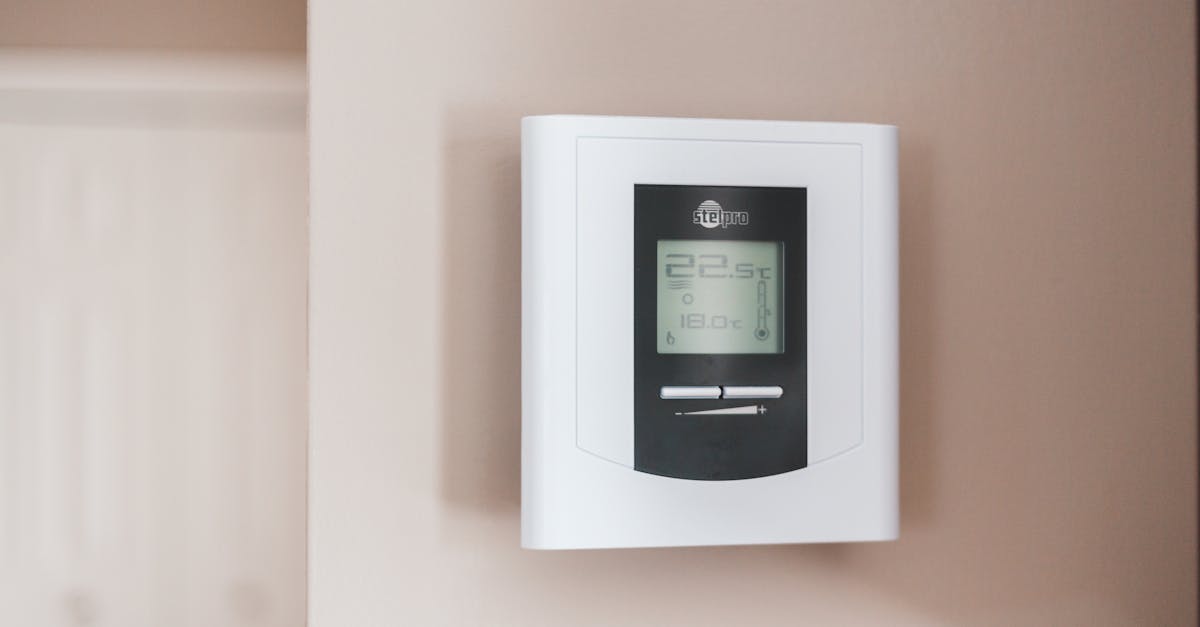
Six Months Without a Smart Thermostat: My Heating Bill Revelation
When I first installed a smart thermostat five years ago, I felt like I was stepping into the future. The promise was alluring: effortlessly optimized heating and cooling, lower energy bills, and the sheer convenience of adjusting my home’s temperature from anywhere. For years, I believed it was making a significant difference. I tracked the monthly reports, nodded along with the ‘eco-friendly’ summaries, and felt a quiet satisfaction that I was doing my part for the planet and my wallet.
Then came the unexpected revelation. A software update bricked my beloved smart device, and rather than immediately replace it, I found myself installing a basic, old-school programmable thermostat out of necessity. It was meant to be temporary, a stopgap for a few weeks. Those weeks turned into months, and by the time six months had passed, I realized something astonishing: my heating bills hadn’t skyrocketed. In fact, they were largely the same, and in some months, even slightly lower. This wasn’t just a technical hiccup; it was a fundamental challenge to my assumptions about smart home efficiency. My entire understanding of ‘optimized’ home climate control was about to be rewritten, not by a new gadget, but by its absence.
Key Takeaways
- Smart thermostats often create an illusion of control and savings that doesn’t always translate to real-world financial benefits.
- Manual, intentional temperature adjustments and careful home insulation are more impactful than relying solely on smart algorithms.
- Over-reliance on remote control can lead to less mindful energy consumption and missed opportunities for passive heating/cooling.
- Understanding your home’s thermal dynamics is crucial; a smart device can’t compensate for fundamental energy inefficiencies.
The Illusion of Constant Optimization
One of the biggest selling points of smart thermostats is their ability to ‘learn’ your schedule and optimize temperatures. In my experience, this constant, algorithmic adjustment was largely an illusion of control, not actual savings. For the first few months, I meticulously compared my new manual programming to the patterns the smart thermostat had supposedly established. What I found was a gap between the promised ‘learning’ and my actual needs. The smart device would often make micro-adjustments – shifting the temperature up or down by a single degree for short periods – based on factors like external weather forecasts or even perceived occupancy. While these changes seemed intelligent on paper, they often resulted in the heating system kicking on more frequently, albeit for shorter bursts, leading to sustained, albeit low-level, energy draw. With the basic programmable thermostat, I set my schedule for 68°F during waking hours, 62°F overnight, and a boost to 70°F for an hour in the mornings and evenings. This simple, consistent schedule, which I could easily override if needed, resulted in fewer on-off cycles for my furnace. The ‘smart’ system was overthinking it, whereas my basic program was simply doing its job efficiently. I suspect the constant micro-adjustments were designed to keep the perceived temperature ‘perfect’ rather than optimize for fuel consumption.
The Rediscovery of Manual Control and Home Dynamics
Removing the smart thermostat forced me to engage more directly with my home’s thermal dynamics. Instead of glancing at an app, I started paying attention to the sun’s path, the direction of the wind, and how quickly my home cooled or warmed. What changed everything for me was rediscovering the power of manual, intentional control. On a sunny winter day, I’d consciously open blinds on south-facing windows to leverage passive solar gain, often letting the indoor temperature rise a few degrees without the furnace ever kicking on. Conversely, on colder days, I’d remember to close those blinds at dusk to trap heat. This active engagement, combined with noticing subtle drafts and sealing them with simple weatherstripping, made a more tangible difference than any smart algorithm ever did. My previous reliance on the smart device had created a passive relationship with my home’s energy use, leading me to overlook these simple, high-impact strategies. The mistake I see most often is people investing in a smart device and assuming it will solve underlying insulation issues or poor energy habits. It’s like buying a high-tech running watch but never actually lacing up your shoes; the tool is impressive, but it doesn’t do the work for you.
The ‘Remote Control’ Trap and Mindful Consumption
The convenience of remote control was initially a major draw. Leaving for a weekend trip? Turn the heat down from the airport! Coming home early? Turn it up before you arrive! While convenient, this feature subtly encouraged less mindful consumption. I found myself adjusting the thermostat more frequently, sometimes on a whim, simply because I could. This frequent tweaking, often for minor comfort gains, meant the heating system was more active overall. Without the remote control, I had to think ahead. If I was leaving, I’d set the thermostat before walking out the door. If I was coming home, I’d accept that the house might be a bit cooler for the first 30 minutes. This forced intentionality made me more conscious of the energy impact of each adjustment. It was a trade-off: a small loss of instant gratification for a greater awareness of my energy footprint. This shift highlighted how technology, designed for ease, can sometimes detach us from the consequences of our actions, even in something as mundane as home heating.
The Unmasking of Underlying Energy Inefficiencies
My six-month experiment also unmasked the core truth: a smart thermostat, no matter how advanced, cannot fix fundamental energy inefficiencies in a home. For years, I assumed the smart device’s data was accurately reflecting my ‘optimized’ energy use. However, when I switched to a basic system and the bills remained stable, it became clear that the smart thermostat was largely masking underlying issues. It wasn’t driving significant savings because my home itself wasn’t as efficient as I had believed. The small adjustments it made were negligible in the face of poor insulation or leaky windows. This led me to a deeper audit of my home – things like checking attic insulation levels, inspecting window and door seals, and even considering a furnace tune-up. What changed everything for me was realizing that true energy savings come from improving the envelope of the house and the efficiency of the heating system, not just the control panel. The smart thermostat had given me a false sense of security, delaying real investigations into my home’s actual energy performance.
Frequently Asked Questions
Are smart thermostats completely useless for saving energy?
No, they are not useless. Smart thermostats can offer legitimate savings, especially for users with highly unpredictable schedules or those who consistently forget to adjust manual thermostats. Their benefit is most pronounced in homes with generally good insulation and efficient HVAC systems. My experience highlights that their impact might be overstated for homes with underlying inefficiencies or for users who are already disciplined with manual programming. The key is understanding your specific needs and home characteristics.
How can I maximize energy savings without a smart thermostat?
Focus on establishing a consistent, setback schedule for your heating and cooling that aligns with your occupancy patterns. Manually adjust temperatures up or down when you leave for extended periods. Pay close attention to home insulation, seal drafts around windows and doors, and ensure your HVAC system is regularly maintained. Utilizing passive heating (opening south-facing blinds on sunny winter days) and passive cooling (closing blinds on hot summer days, opening windows for cross-ventilation in cooler evenings) can also make a significant difference.
What are common misconceptions about smart thermostat energy savings?
Many believe smart thermostats are a magic bullet that will automatically slash bills by 20-30%. While possible in ideal scenarios, this often doesn’t account for user behavior (frequent remote adjustments), home specifics (poor insulation), or the actual efficiency of the HVAC system. The assumption that the ‘learning’ algorithm is always more efficient than a carefully programmed manual schedule is also often a misconception. Some ‘eco-reports’ generated by smart devices can also create a perception of savings that don’t always align with the actual utility bill.
How much can a smart thermostat realistically save on my energy bill?
Actual savings vary widely. Manufacturers often cite figures up to 10-15% on heating and cooling costs. In my experience, for a home with decent insulation and a consistent schedule, the real-world difference between a well-programmed basic thermostat and a smart one might be closer to 0-5%. The biggest savings come from any thermostat that allows for temperature setbacks when you’re away or asleep, whether it’s smart or basic. The ‘smart’ aspect adds convenience and potential for micro-optimizations, but it’s not a guaranteed massive cost reduction.
Should I remove my smart thermostat if my bills aren’t lower?
Not necessarily. Consider why your bills aren’t lower. Is it due to frequent manual overrides, underlying home inefficiencies, or perhaps the smart features aren’t being fully utilized? Before removing it, try running it on a very simple, consistent programmed schedule for a month or two, similar to how you would a basic programmable thermostat, and compare. Investigate your home’s insulation and HVAC system efficiency. If, after these checks, you still don’t see value, then switching to a simpler, more robust system might be worthwhile.
My six months without a smart thermostat were more than just an experiment; they were a profound lesson in understanding my home’s true energy profile and my own consumption habits. It forced me to be a more active participant in managing my comfort and my energy use, rather than delegating it entirely to an algorithm. While smart home technology undeniably offers convenience, true efficiency often comes not from automation, but from awareness and intentional action. For those looking to genuinely cut their heating and cooling costs, start with the fundamentals: insultation, proper HVAC maintenance, and mindful manual adjustments. The fancy gadget can come later, but it won’t do the foundational work for you.
Written by Maya Rodriguez
Everyday habits, life balance, and practical self-improvement
A freelance journalist passionate about translating complex topics into engaging, accessible advice.
You Might Also Like

A Practical Checklist for Choosing a Travel Backpack That Fits Your Trip
Choosing the right travel backpack can make or break your trip. Use this checklist to select one that truly meets your needs.

Six Months Without a Microwave: My Kitchen Shift
After six months microwave-free, I discovered smarter ways to reheat food, making my kitchen more efficient and my meals tastier.

Six Months Without a Smart Speaker: My Unexpected Gains in Privacy and Presence
I removed smart speakers from my home for six months. Discover how this shift enhanced my privacy, focus, and brought unexpected benefits.