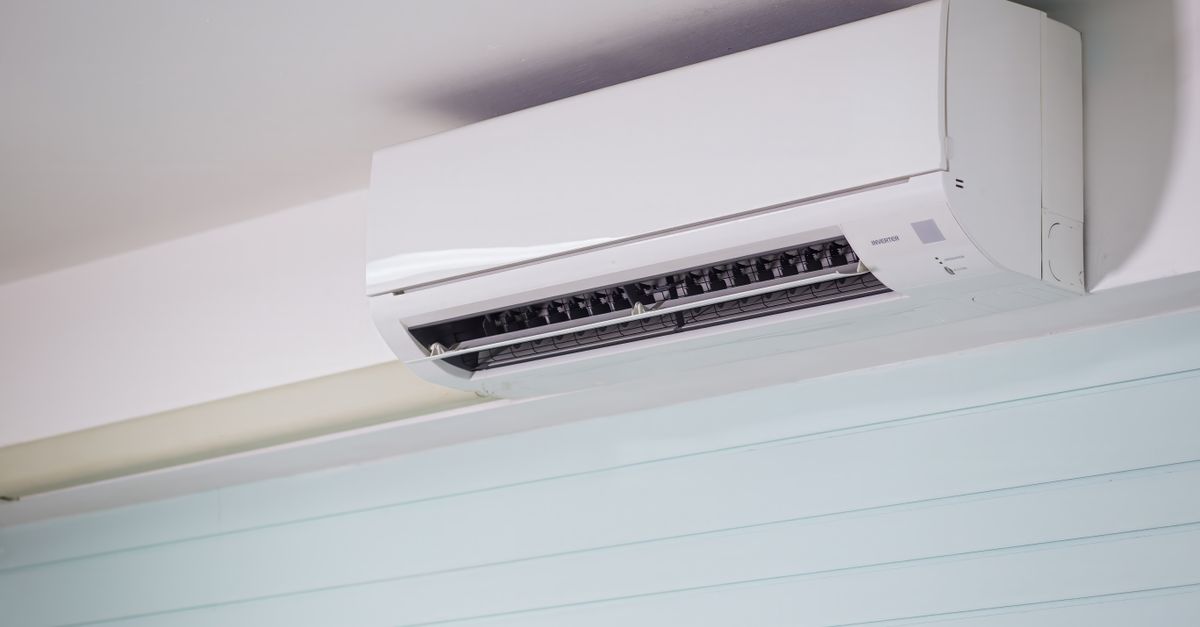
Why is my home air conditioner not cooling enough?
Living in a warm climate, few things are as frustrating as your air conditioner struggling to keep up when the temperatures soar. I’ve been there, sweating through late afternoons indoors, wondering why my usually reliable AC unit was just blowing lukewarm air. It’s easy to jump to conclusions, thinking you need an expensive repair or even a full replacement. But in my experience, many cooling issues stem from overlooked, seemingly minor problems that you can often address yourself before calling in a professional. The mistake I see most often is assuming the worst when a simple diagnostic check or a few small adjustments could restore your comfort and save you a significant amount of money. What changed everything for me was learning to systematically troubleshoot the common culprits, moving beyond the obvious thermostat check to deeper issues that impact performance. This proactive approach has not only saved me hundreds of dollars over the years but has also given me a greater understanding of my home’s cooling system.
Key Takeaways
- Ensure your air filter is clean and replace it monthly for optimal airflow and efficiency.
- Inspect the outdoor condenser unit for blockages and ensure it’s free of debris for proper heat exchange.
- Check the indoor evaporator coil for ice buildup, which indicates a serious airflow or refrigerant issue.
- Verify thermostat settings and consider recalibrating if temperatures are consistently inaccurate.
Always Check Your Air Filter First
This might seem obvious, but a clogged air filter is the number one reason I find AC units underperforming. It’s an easy fix that many homeowners overlook, sometimes for months. I used to change mine every three months as recommended, thinking I was being diligent. However, after living through a particularly dusty summer with pets, I noticed my AC was struggling more than usual. When I pulled out the filter, it was a solid grey mat of dust and pet hair, visibly restricting airflow. What changed everything for me was realizing that manufacturer recommendations are just guidelines; your actual usage and environment dictate the frequency. In my experience, during peak cooling season or if you have pets, changing your filter monthly is not overkill. A clean filter ensures proper airflow over the evaporator coil, allowing the system to cool efficiently. Without it, your AC works harder, uses more energy, and cools less effectively. It’s like trying to breathe through a pillow; the effort is there, but the air isn’t. So, before you do anything else, grab a new filter, note the direction of the arrows, and slide it in. You might be surprised by the immediate improvement in airflow and cooling.
Clean the Outdoor Condenser Unit Thoroughly
Your outdoor condenser unit is the unsung hero of your AC system, responsible for releasing the heat from your home into the outside air. The mistake I see most often is people thinking that because it’s outdoors, it can handle whatever nature throws at it. In reality, it’s highly susceptible to blockages that severely impede its function. I once had my AC running constantly but barely cooling, and after checking the filter and finding nothing, I went outside. My condenser unit was almost entirely encased in overgrown bushes and had a thick layer of leaves and grass clippings trapped in its fins. What changed everything for me was spending 30 minutes carefully clearing all the debris. I started by powering off the unit at the breaker, then used a soft brush and a garden hose to gently clean the fins, making sure not to bend them. This immediate attention drastically improved my AC’s cooling power. You want at least two feet of clear space around the entire unit, and the fins should be free of any obstruction that prevents air from flowing across them. This simple, hands-on maintenance ensures efficient heat exchange, a critical component of effective cooling.
Inspect the Evaporator Coil for Ice Buildup
If your AC is blowing weak or warm air, and you’ve confirmed your filter is clean and the outdoor unit is clear, the next non-obvious culprit to check is the indoor evaporator coil for ice. This signals a more serious underlying issue, but spotting it early can prevent further damage. In my experience, the first time I encountered this, I was baffled. My unit was technically running, but no cold air came out. When I opened the access panel, the entire coil was a solid block of ice. This isn’t just inefficient; it can lead to compressor failure if not addressed. Ice on the coil usually indicates severely restricted airflow (often due to a clogged filter, but sometimes a blocked return vent) or low refrigerant levels. To fix it temporarily, turn off your AC system and run only the fan for a few hours to melt the ice. Once melted, carefully inspect for signs of a dirty coil (which you can gently clean with a coil cleaner spray) or ensure all vents are open. If the ice returns, it’s a strong indicator of low refrigerant, meaning there’s a leak in the system. While you can melt the ice, a refrigerant leak requires a professional HVAC technician. Don’t ignore ice buildup; it’s your AC screaming for help.
Verify Thermostat Accuracy and Placement
Beyond just setting the right temperature, your thermostat’s accuracy and placement play a huge role in how effectively your AC cools your home. The mistake I often see is people trusting their thermostat implicitly, assuming it’s always reading correctly or is in an ideal spot. What changed everything for me was realizing my old thermostat was directly above a floor lamp that generated a surprising amount of heat. It was consistently reading my living room as warmer than it actually was, causing the AC to run unnecessarily long cycles and short-cycling in other areas. I moved it to an interior wall, away from heat sources and direct sunlight, and noticed an immediate improvement in consistent cooling and reduced energy bills. Additionally, if your thermostat uses batteries, check and replace them regularly. A dying battery can lead to erratic readings or simply stop communicating with your AC unit. If your thermostat consistently shows a temperature several degrees off from an independent thermometer placed nearby, it might need recalibration or replacement. Sometimes, a simple factory reset (check your model’s manual) can resolve minor glitches and restore accurate temperature sensing.
Frequently Asked Questions
How often should I replace my AC filter?
It depends on usage and environment. While manufacturers often suggest every 1-3 months, I find that during peak cooling season or if you have pets or allergies, replacing it monthly is ideal for optimal performance and air quality.
What does it mean if my AC unit is blowing air but not cooling?
If your AC blows air but it’s not cold, the most common culprits are a clogged air filter, a dirty outdoor condenser unit, or ice buildup on the indoor evaporator coil. Less common, but more serious, is a refrigerant leak or a failing compressor.
Can low refrigerant be fixed by just adding more?
No, simply adding more refrigerant is a temporary fix. Low refrigerant indicates a leak in the system, which must be located and repaired by a certified HVAC technician before recharging the system. Otherwise, the problem will recur.
Why is my outdoor AC unit making a strange noise?
Unusual noises can indicate various issues. A buzzing or humming sound might be electrical, a banging or clanking could suggest a loose component or a motor issue, and a hissing sound might point to a refrigerant leak. Turn off the unit and call a professional if you hear anything concerning.
How can I tell if my AC compressor is failing?
Signs of a failing compressor include the unit blowing warm air, loud grinding or rattling noises from the outdoor unit, difficulty starting, or frequently tripping your circuit breaker. A compressor replacement is often expensive, sometimes warranting a full unit replacement.
Conclusion
Dealing with an air conditioner that isn’t cooling effectively can be frustrating, especially when comfort is a top priority. However, by systematically checking these non-obvious yet common issues, you can often diagnose and resolve the problem yourself, saving both time and money. From ensuring your air filter is meticulously clean to thoroughly clearing debris from your outdoor unit, proactively addressing these maintenance points will significantly improve your AC’s performance. Remember to be vigilant for ice buildup on the evaporator coil and always ensure your thermostat is accurate and well-placed. While some issues, like refrigerant leaks, will always require professional intervention, these practical steps empower you to understand and maintain your home’s cooling system more effectively. Start with the easiest checks, observe your system’s response, and you’ll be well on your way to a cooler, more comfortable home.
Written by Maya Rodriguez
Everyday habits, life balance, and practical self-improvement
A freelance journalist passionate about translating complex topics into engaging, accessible advice.
You Might Also Like

A Practical Checklist for Choosing a Travel Backpack That Fits Your Trip
Choosing the right travel backpack can make or break your trip. Use this checklist to select one that truly meets your needs.

Six Months Without a Microwave: My Kitchen Shift
After six months microwave-free, I discovered smarter ways to reheat food, making my kitchen more efficient and my meals tastier.

Six Months Without a Smart Speaker: My Unexpected Gains in Privacy and Presence
I removed smart speakers from my home for six months. Discover how this shift enhanced my privacy, focus, and brought unexpected benefits.